Wildlife Control Explained: Essential Strategies and Dead Animal Removal Services
Wildlife control encompasses strategies designed to manage animal populations and guarantee safe environments. Recognizing the effects of typical wildlife intruders is crucial for property owners. Effective prevention methods can greatly reduce the risk of wildlife intrusions. Furthermore, the prompt disposal of deceased animals is essential for maintaining health and safety. Despite this, many people lack awareness of the critical factors in successful wildlife control and the necessity of professional intervention. What measures can be implemented to protect households and neighborhoods?
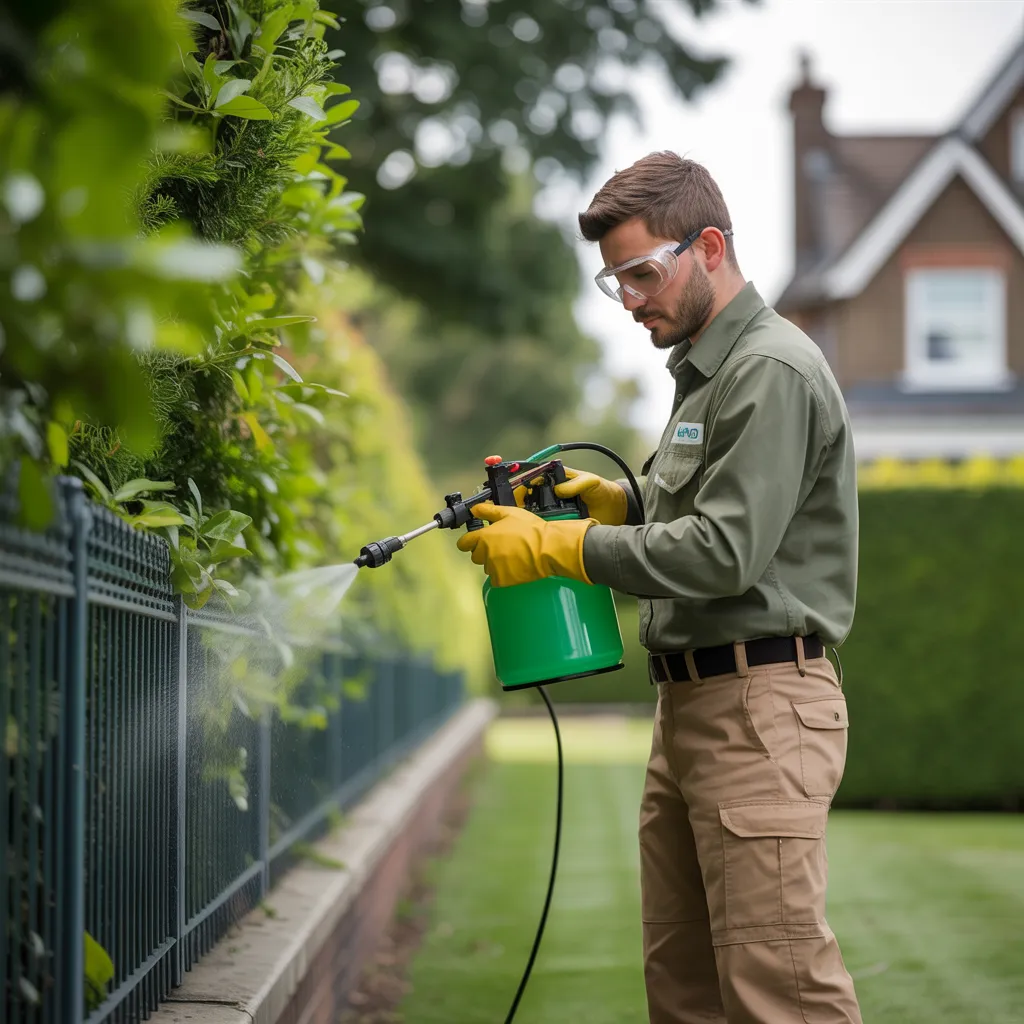
What Is Wildlife Control and Why Is It Essential?
Wildlife control encompasses a range of approaches designed to overseeing animal populations and their relationships with human surroundings. This approach is essential for sustaining ecological harmony and limiting disputes between animals and people. Proper wildlife management helps protect public health by mitigating risks associated with zoonotic diseases, which have the potential to pass from animals to humans.
Furthermore, it safeguards the interests of farmers by addressing wildlife that endangers farmland and animals. By employing responsible practices, wildlife regulation fosters a balanced relationship, guaranteeing that human requirements and animal protection remain equally important.
In addition, it helps to maintain natural diversity by addressing non-native species that can damage native ecosystems. Ultimately, wildlife control is necessary not only for enhancing safety and reducing property damage but also for promoting a enduring interaction between people and the natural world.
How Frequent Wildlife Intruders Harm Your Home
Frequent wildlife invaders create major hazards for households, causing structural deterioration that can weaken a building's foundation. They can also contaminate insulation, generating dangerous health risks for residents. Additionally, the presence of these animals raises electrical hazard concerns, since they are known to gnaw on electrical wiring, increasing the risk of fires.
Risks of Structural Damage
The existence of wildlife invaders may result in considerable structural deterioration in households. Animals such as raccoons, squirrels, and rodents frequently take advantage of gaps in the outer structure of buildings, creating entry points that compromise structural integrity. Raccoons, as a prime example, can tear off roofing components and deteriorate insulation, while squirrels may gnaw on electrical wiring and wooden beams, increasing the risk of fire hazards. Additionally, digging animals can weaken foundations by creating tunnels, amplifying the risk of foundation failure. With the passage of time, these breaches can allow moisture to enter, causing mold proliferation and timber deterioration. Homeowners should remain vigilant about signs of wildlife intrusion to avert costly damage and secure the safety and longevity of their properties. Timely response is critical to minimizing these dangers.
Insulation Contamination Concerns
Insulation functions as a critical shield against temperature changes, but it can easily become compromised by encroaching creatures. Creatures such as rodents and wild animals can rip apart insulation materials, forming openings that enable deeper access into residential structures. Their habitation tendencies commonly cause the insulation to be soiled with droppings, waste, and other materials, causing significant contamination. This not only reduces the insulation's performance but also creates health hazards through possible exposure to dangerous pathogens. Moreover, rotting animal carcasses can release offensive smells and invite more pests. Homeowners must address insulation contamination promptly to maintain both energy efficiency and indoor air quality, emphasizing the importance of effective wildlife control and remediation measures.
Electrical Safety Concerns
How do wildlife pests lead to electrical dangers in residential properties? Everyday wildlife intruders, like rodents and birds, are capable of causing serious harm to electrical systems. Rodents especially are notorious for chewing through wires, leading to exposed conductors and the risk of short circuits. This creates not only a fire hazard but also elevates the risk of electrical shock for residents. In addition, nesting materials left by birds can clog ventilation systems or collect near electrical panels, significantly raising fire hazards. Additionally, wildlife can introduce excess moisture via burrows or droppings, establishing conditions that encourage corrosion and electrical system failure. Tackling these hazards with proper wildlife control measures and routine inspections is critical to preserving a safe home environment.
How to Recognize Indicators of Wildlife Activity
Identifying signs of wildlife presence is essential for successful management approaches. Common indicators include prints, characteristic sounds, and peculiar scents that can signal the intrusion of animals. Recognizing these signs early can assist in preventing harm to your property.
Popular Wildlife Track Identification
Numerous nature lovers recognize that identifying common animal tracks is crucial for gaining insight into local ecosystems. Tracks vary by species, with distinctive shapes and sizes. For example, the tracks of deer appear heart-shaped, whereas raccoon tracks display a hand-like pattern with long, slender digits. Tracks from canines like coyotes tend to show an oval form with clearly defined claw marks. Examining the distance between prints can offer valuable hints about the creature's size and pace. Additionally, identifying claw marks can help differentiate between species; as an example, bobcat prints are characterized by an absence of visible claw marks, in contrast to those of a dog. Grasping these nuances supports wildlife observation and conservation initiatives, deepening one's appreciation of the natural world.

Sounds and Odors
Identifying wildlife presence often involves more than visible signs like tracks; auditory and olfactory cues play significant roles as well. Sounds such as movement in the shrubbery, scraping within walls, or nocturnal chattering can suggest animals searching for food or refuge. Every animal type generates characteristic sounds, assisting in pinpointing the likely animals involved. Scents likewise deliver essential information. A musty smell may indicate a hidden animal nest, while a pungent scent could reveal a deceased animal in the vicinity. Identifying these sensory signs allows homeowners to respond without delay. By staying alert to both auditory and olfactory signs, homeowners can properly determine wildlife presence and implement proper containment actions before the issue intensifies.
Animal Control: Proven Methods for Stopping Wildlife Intrusions
Preventing animal intrusions requires a strategic approach that combines knowledge of wildlife behavior with effective deterrent get details on this techniques. Homeowners should first identify potential entry points, such as openings in walls, roof spaces, or crawl spaces, and secure them to prevent intrusion. Regular maintenance of the property, including removing clutter and properly storing garbage, can discourage wildlife in search of nourishment.
Furthermore, incorporating organic deterrents like motion-triggered lights or audio devices can deter undesired animals. Landscaping selections also make a difference; using native plants and maintaining a tidy yard can decrease the attractiveness for multiple species. Educating residents about local wildlife habits enhances awareness and proactive measures.
The Role of Professional Wildlife Control Services
When wildlife intrusions exceed the capacity of homeowners to manage, professional wildlife management services become a necessary solution. These dedicated services provide knowledge in detecting and resolving numerous wildlife concerns, guaranteeing both safety and compliance with local regulations. Trained professionals utilize humane trapping methods and exclusion techniques to limit the disruption to local ecosystems while efficiently managing disputes with wildlife.
In addition, these companies often offer in-depth assessments of properties to identify potential weak points that may invite future incursions. By employing sophisticated tools and strategies, they can tackle the root sources of wildlife issues, rather than merely managing temporary setbacks. This strategic approach not only shields homes but also supports coexistence with local wildlife. Ultimately, hiring professional wildlife control services ensures that homeowners can address intricate wildlife problems in a safe and effective manner, limiting risks to property and their overall well-being.
Why Dead Animal Removal Matters
The existence of deceased animals on a property can pose significant health risks and invite problematic pests. Decomposing carcasses release harmful bacteria and pathogens, which can contaminate soil and water sources, threatening the well-being of people and animals. Furthermore, the smell coming from a decomposing carcass can disturb the living conditions of neighboring residents and create an unpleasant environment.
Furthermore, dead animals can serve as a source of food for foraging pests, including vermin and insects, leading to additional infestations. This can grow into more significant issues, calling for more intensive pest control solutions. The timely removal of dead animals is crucial to mitigate these risks and return the environment to a safe condition.
Professional dead animal removal services are equipped to handle these situations efficiently, guaranteeing appropriate disposal and thorough sanitation. By addressing the issue swiftly, homeowners can safeguard their well-being, preserve local ecosystems, and copyright the condition of their environment.
What Should You Look for in a Wildlife Control Service?
Effective wildlife control services are vital for maintaining a safe and healthy environment, particularly following concerns like dead animal removal. A number of critical considerations should be kept in mind when selecting a wildlife control service. To begin, confirm that the company holds proper licensing and insurance, as this confirms their legitimacy and protects against liability. A strong background in the field is indispensable; an organization with an established record of achievement is more capable of managing a wide range of wildlife problems effectively.
Additionally, question them regarding their practices for pest and animal removal, making sure they use ethical and eco-friendly methods. Reviews and testimonials from customers can shed light on the service's consistency and quality.
Ultimately, a reputable service should provide a thorough evaluation and follow-through to prevent subsequent wildlife intrusions. By assessing such standards, clients can choose a wildlife management provider that emphasizes safety, efficiency, and ethical practices.
Frequently Asked Questions
What Are the Legal Requirements for Wildlife Control in My Region?
Laws and regulations for wildlife control differ by region, often requiring permits for animal trapping and relocation. Regional wildlife authorities provide guidelines, promoting humane care and compliance with conservation laws to preserve wildlife and natural ecosystems.
What Are the Safe Steps for Handling a Dead Animal on My Property?
When safely handling a dead animal, you should put on gloves, utilize a shovel to remove the body, seal the remains in two bags, and discard it in compliance with local regulations, ensuring proper sanitation and minimizing health risks.
What Is the Cost of Wildlife Control Services?
Wildlife control service costs can vary significantly, usually spanning from $100 to $1,500. Variables that impact pricing encompass the species of wildlife involved, severity of the infestation, and the removal techniques or prevention strategies required.
Is It Possible for Wildlife Control to Completely Prevent Future Infestations?
Wildlife control significantly lowers the likelihood of recurring wildlife problems through prevention techniques, but it does not ensure total elimination. Regular monitoring and routine maintenance are critical to minimize risks and address any potential issues promptly.
What Kinds of Animals Necessitate Specialized Removal Techniques?
Particular animals, including raccoons, bats, and snakes, necessitate specialized handling methods because of their distinct behaviors and possible health hazards. Qualified professionals must use particular approaches to provide safe and responsible management during the removal process.